Download and print out this template to make a waterfall papercraft in your journal. Print to 8 1/2″ x 11″cardstock for best results.
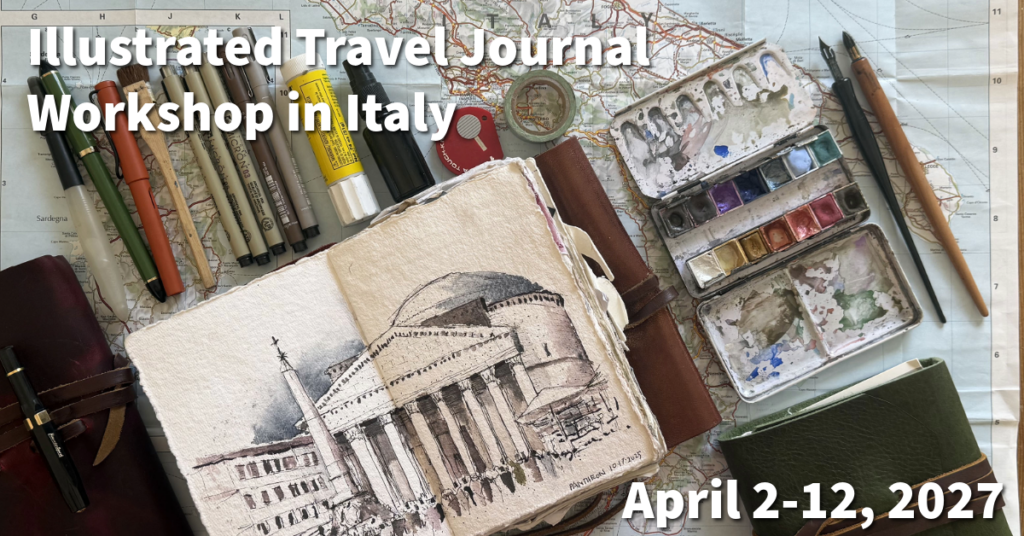
This is just one of the techniques that will be part of the Illustrated Travel Journal workshop in Italy April 2-12, 2027. The workshop if for anyone who wants to learn dozens of fresh techniques to record your travels with art in a journal. To learn more about the workshop, join one of the many free info sessions scheduled this fall and winter.
Over the next few months, we will be having regular Q&A sessions if you are interested in learning more about my Illustrated Travel Journal workshop in Italy April 2-12, 2027. This workshop is for anyone who wants to be immersed in Italy as a way to learn dozens of techniques to fill illustrated travel journals. No artistic skill is needed, just a desire to learn and have fun making art in the pages of a journal that you will treasure. I will meet you wherever you are on your artistic journey providing both group and one-on-one instruction.
I have been working hard with the team at La Romita to make an amazing 10-day agenda for the upcoming Illustrated Travel Journal workshop April 2-12, 2027 and I wanted to share with you what we have so far.
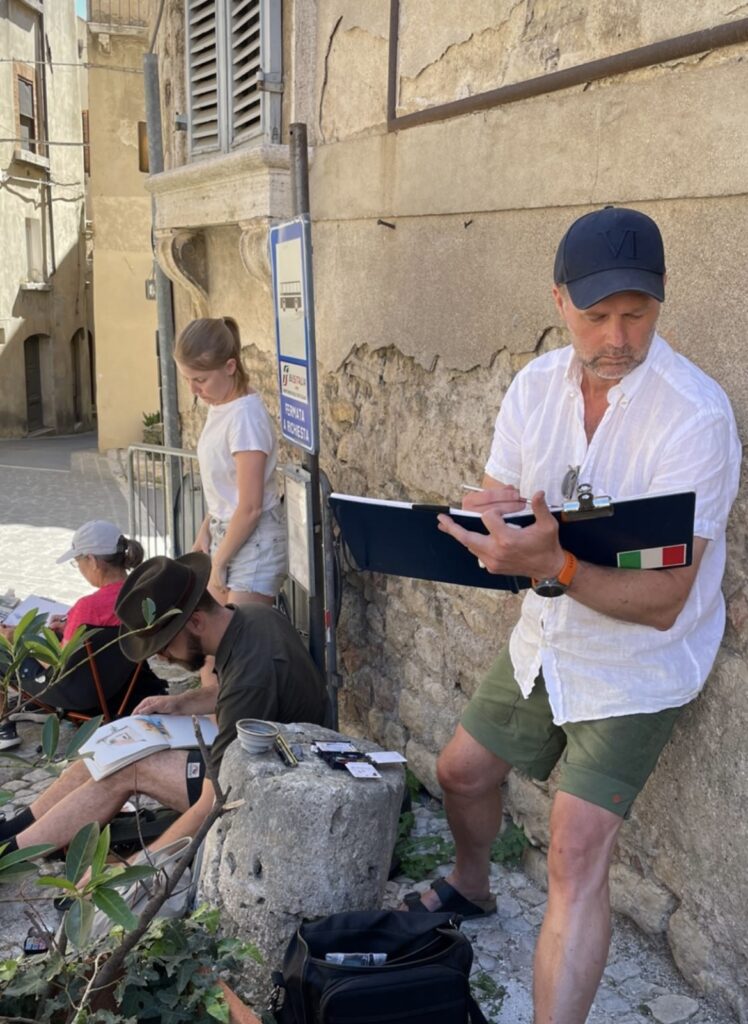
The goal with our journeys across Umbria are to have time to create art, collect ephemera, and experience the culture and have time back in the studio at La Romita to learn and assemble our memories into the beautiful artifacts that will be our journals. I want to give you the time to appreciate the places we will travel to with art and help you develop a variety of skills and techniques so you can chronicle what matters.
With a small group – less than 20 participants – I will be giving both one-on-one as well as group instruction. You don’t need to be an artist, just someone who wants to learn how to travel with art – I will meet you wherever you are in your art journey as I have been filling journals with art for more than 30 years.
The agenda
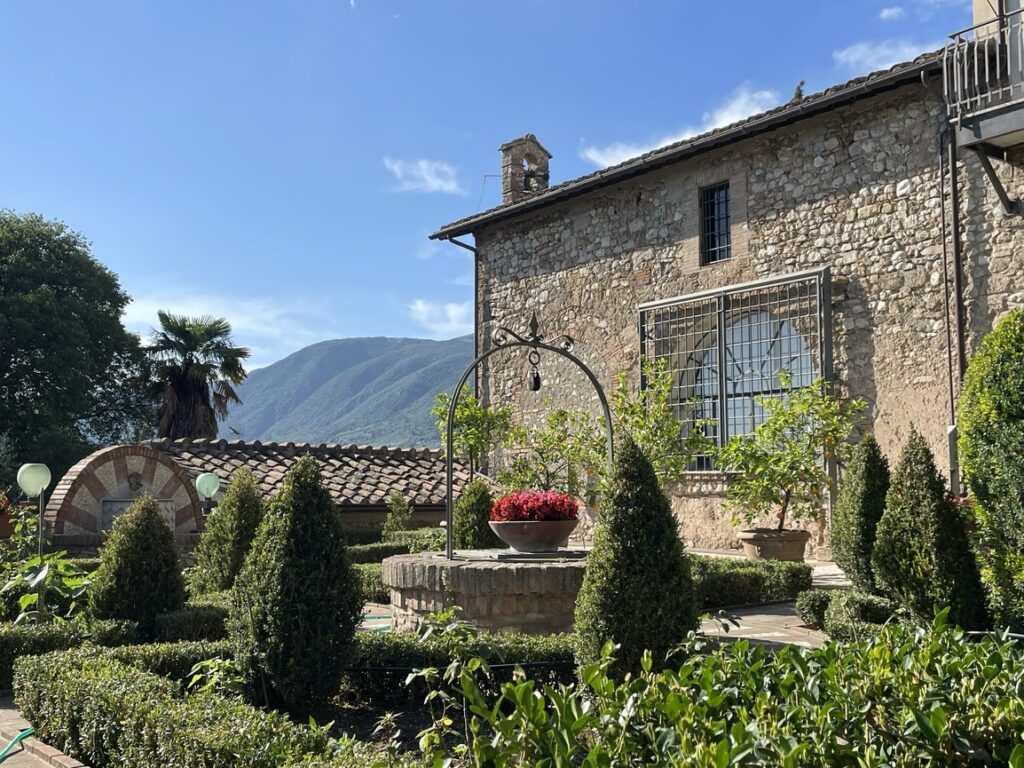
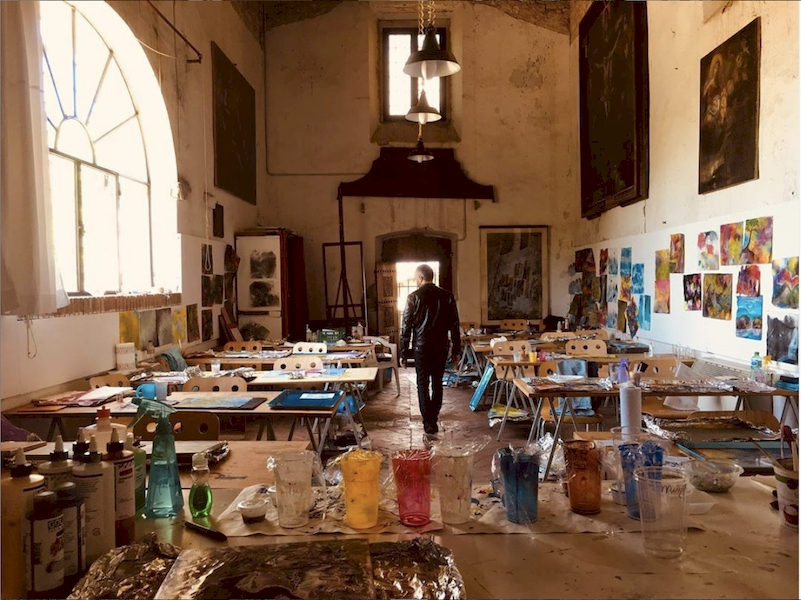
We will have time in our studio for group lessons, working on your own craft, as well as techniques like collage and pop-up techniques that are better suited for that environment. As La Romita is a former 16th century monestary, there are ample opportunities there for art creation in and around our studio.
(subject to change)
Date
Morning
Afternoon
April 2
Airport transit
La Romita Studio
April 3
San Gemini, Carsulae
La Romita Studio
April 4
La Romita Studio
La Romita Studio
April 5
Bevagna
La Romita Studio
April 6
Assisi
Assisi
April 7
Deruta
La Romita Studio
April 8
VillaLante
Marta, Bolsena
April 9
La Romita Studio
La Romita Studio
April 10
Orvieto
Orvieto
April 11
Montefalco
La Romita Studio
April 12
La Romita Studio
Airport
What’s Included?
Until September 1, 2026 $3,675 ($3,950 after)
The prices include all ground transportation on a private bus, all accommodations, almost all meals, 24/7 access to the studio, art instruction – basically everything except your flight to Italy.
I am excited to announce a new workshop that I will be leading at Mystic Mill Valley in August to teach you how to create 3D interactive sketched stories with Mental Canvas.
As most of my artwork has been in journals, I have always looked for ways to make my artwork come alive digitally. This is a really fun tool for Apple iPads and Windows tablets that I want to share with anyone who wants to tell a story with their pictures. Sign up today for the workshop on August 20, 2026!
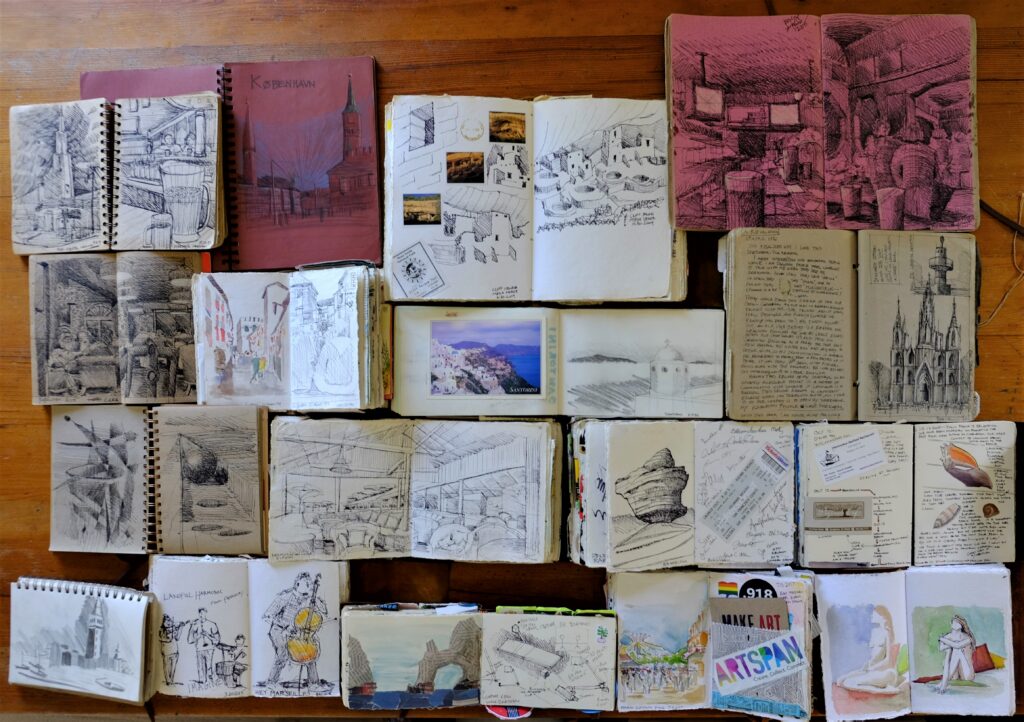
For more than thirty years, I’ve carried journals with me wherever I travel. Because journals never exhibit well in real art galleries, I created Galeryst to exhibit my journals after scanning in over 1,000 pages during the pandemic. I try to bring a journal wherever I go – it is a part of me.
Some are filled with quick sketches made while waiting for trains. Others contain watercolor paintings, photographs, ticket stubs, maps, notes, and observations collected along the way. Together they form a visual record of places I’ve visited, people I’ve met, and moments I might otherwise have forgotten.
Unlike photographs stored on a phone, an illustrated travel journal requires us to slow down.
When we sketch a building, paint a landscape, or write about an experience, we engage with the world differently. We notice details. We pay attention to light, texture, color, and atmosphere. We become participants rather than spectators.
Over the years, my journals have become some of my most treasured possessions. They are not simply records of trips; they are creative artifacts that capture what it felt like to be there.
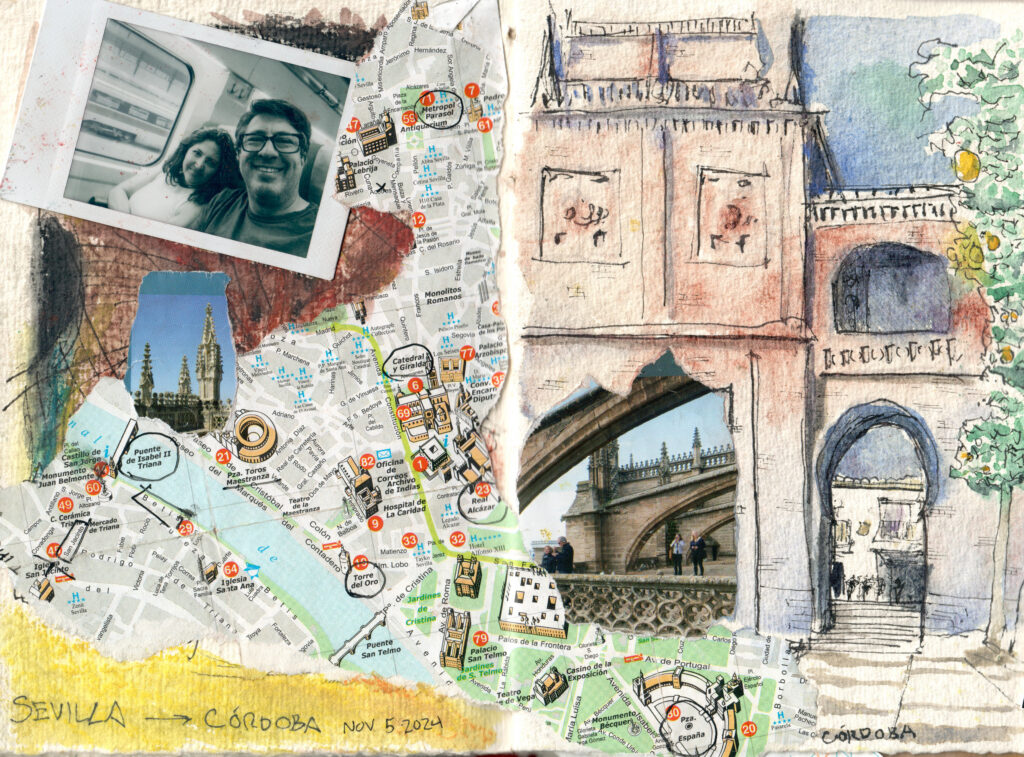
One of my favorite approaches is combining multiple forms of storytelling on a single page. A sketch can sit beside a map fragment. A watercolor painting can share space with a photograph, a train ticket, or handwritten notes. The result is a layered visual narrative that tells a richer story than any single medium could tell on its own.
Many artists already keep sketchbooks. An illustrated travel journal takes that practice a step further by incorporating memory, place, and personal experience into the creative process.
That is the focus of my upcoming workshop, The Illustrated Travel Journal, which I will be teaching at La Romita School of Art in Umbria, Italy from April 2–12, 2027.
Over ten days, participants will explore historic towns, landscapes, and cultural sites throughout Umbria while learning techniques for:
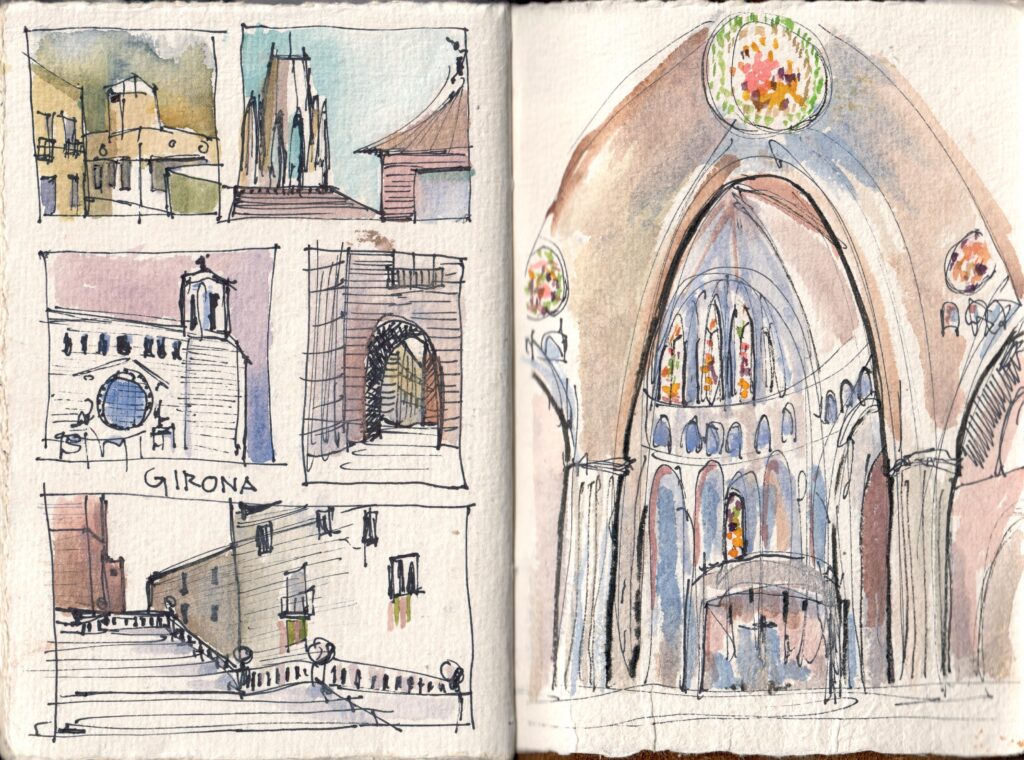
Urban sketching on location
Watercolor and line-and-wash painting
Visual storytelling
Mixed media and collage
Incorporating maps, photographs, and ephemera
Designing compelling journal spreads
Developing a sustainable travel journaling practice
Screenshot
The workshop combines field excursions with studio instruction and is designed for artists who want to expand their creative toolbox while creating a meaningful record of their travels.
Whether your goal is to improve your sketching skills, become more confident with watercolor, or simply discover a new way of experiencing the world, illustrated journaling offers a powerful creative practice that continues long after the trip is over.
If you’ve ever looked through an old journal and been transported back to a moment you thought you’d forgotten, you already understand its value.
The pages become more than paper.
They become a place you can return to.
The Illustrated Travel Journal April 2–12, 2027 La Romita School of Art, Umbria, Italy
Do you know someone who is interested in getting some marketing experience at the intersection of art and technology to start building their resume? If so, point them at a new marketing internship role at Galeryst.
This work is idea for an upper-level high school student, current college student or recent graduate with good writing skills who wants to use some of their free time tostart building a resume that demonstrates their impact, initiative, and ingenuity.
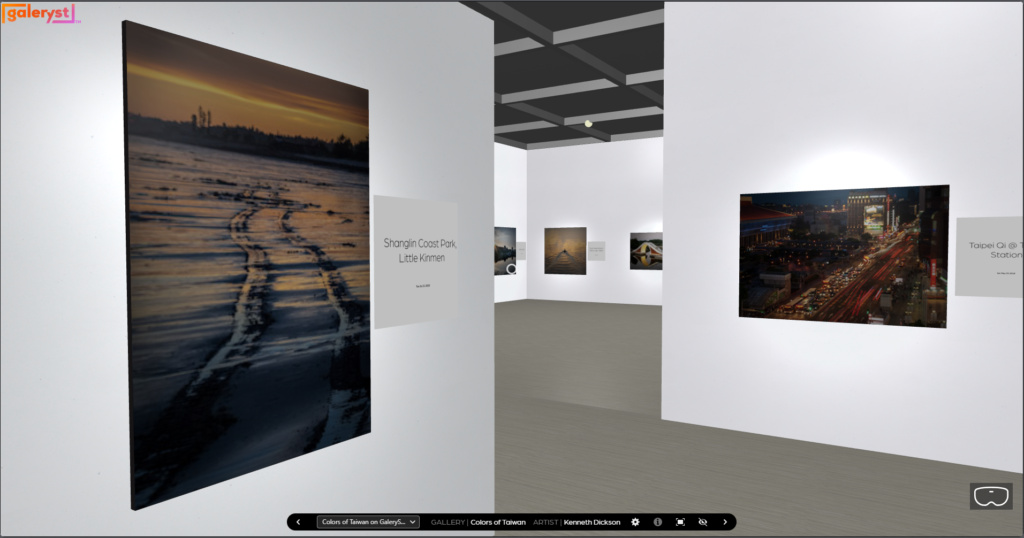
Kenneth Dickson bought a camera many years ago to take photographs of his travels around Taiwan. After four cameras and thousands of photographs, he finally decided to take up photography full-time. Thanks to Galeryst.com he is delighted to bring you his virtual gallery! You can see his other images at Look Through the Lens.
Ken Dickson PhotographyColors of Taiwan gallery on Galeryst
Many artists use Galeryst to augment their existing online and offline presence and one such artist is Maya Hirasawa(平澤)Brauer. You can see the link to the virtual gallery on the homepage of the HRSWstudio site.
Maya Hirasawa Brauer of HRSWstudios is a visual artist working across a diversity of media, with a foundation in drawing and painting. Born in Tokyo amongst the bright neon lights and character faces, their work lies somewhere between cute and unsettling.
Maya Hirasawa(平澤)Brauer
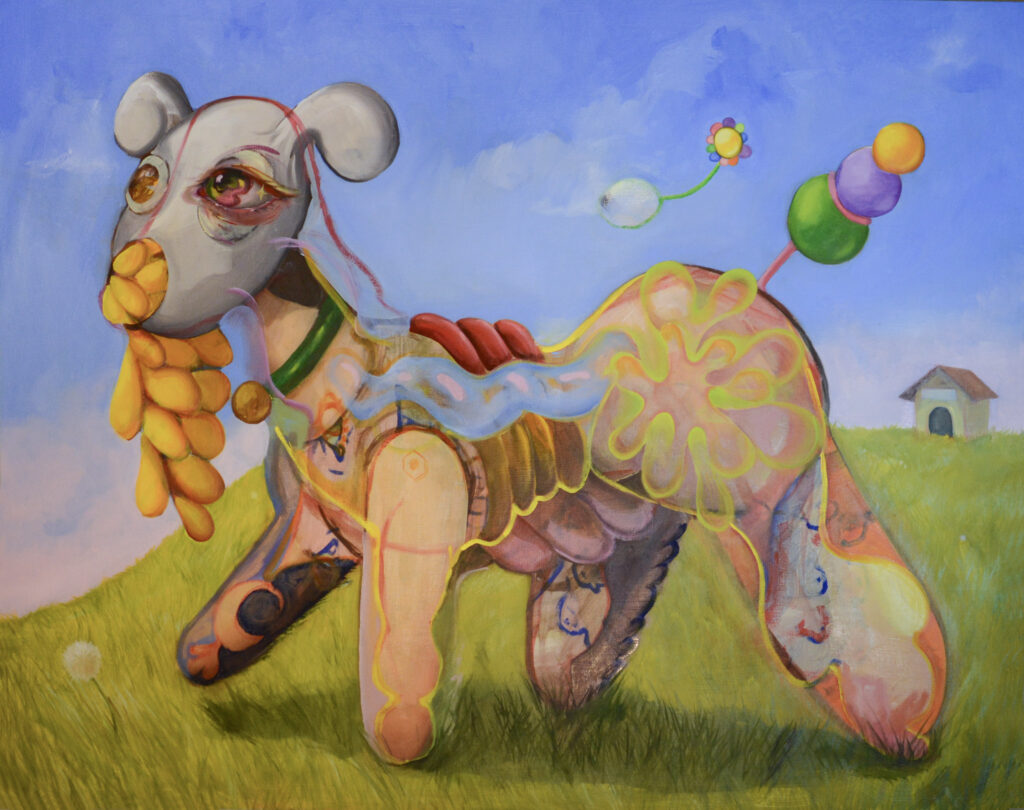
Maya describes this work Play with Me:
Created as an extension of a drawing I created at a residency in Netherlands, De Ateliers, “Play With Me” currently lives in Florida with collectors. This painting is an exploration of human sexuality and power dynamics, hidden under the sunny disposition of vibrancy and pulsating lines on a green field.
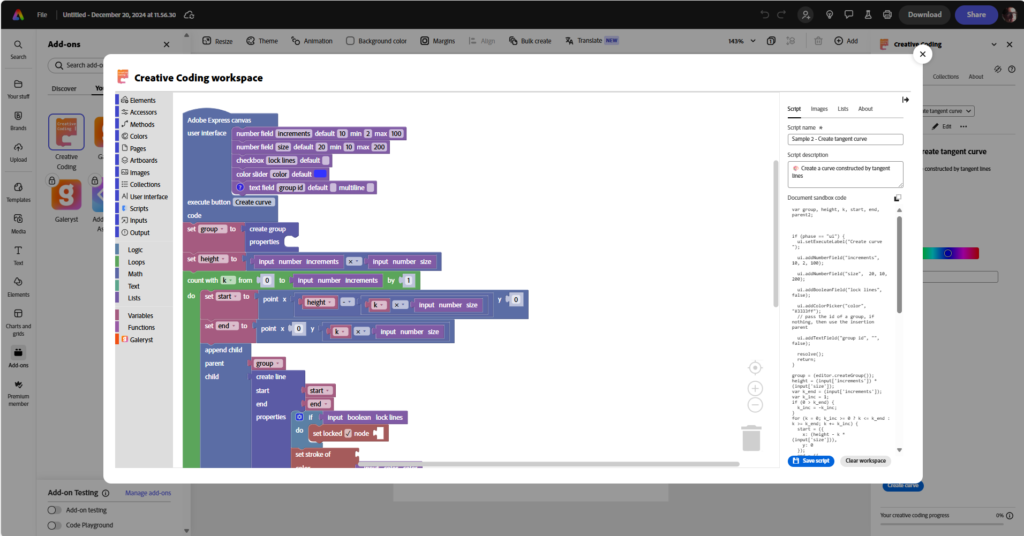
In December, Galeryst launched something new, Creative Coding, an add-on for Adobe Express that allows anyone to create graphics in Adobe Express with a block-based coding tool. Adobe Express is an easy-to-use web-based design tool that can help you create anything from a flyer to an Instagram post, from a website to a video. If you have a gallery on Galeryst, you can easily access it in Adobe Express to get images of your gallery and artwork in it using the Galeryst add-on for Adobe Express.
Creative Coding runs inside of Adobe Express and provides blocks (built with Google’s Blockly toolkit) that represent many of the visual elements and operations that you can do within the graphical canvas of Adobe Express.
Creative Coding workspace
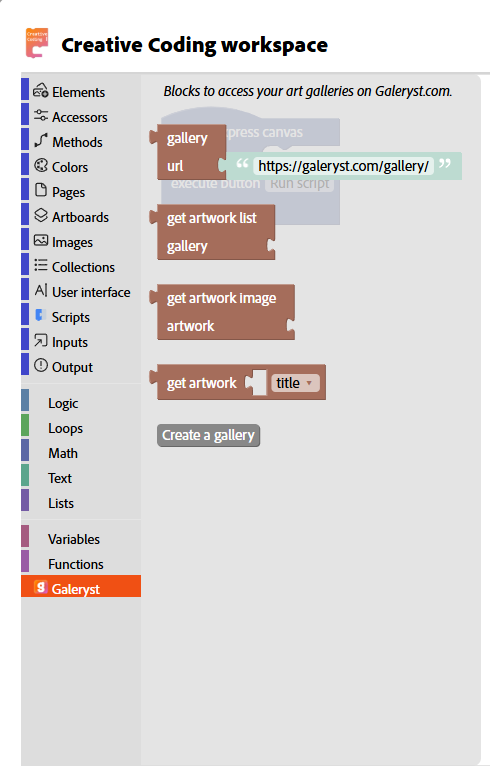
In addition to blocks specific to Adobe Express and general programming concepts, we have added a category of blocks to access imagery and artwork details from galleries on Galeryst. This would enable you to create a catalog of artwork, a series of Instagram posts highlighting your artwork in your gallery, or any sort of graphics for your artwork that you are displaying in Galeryst.
Galeryst Blocks in Creative Coding
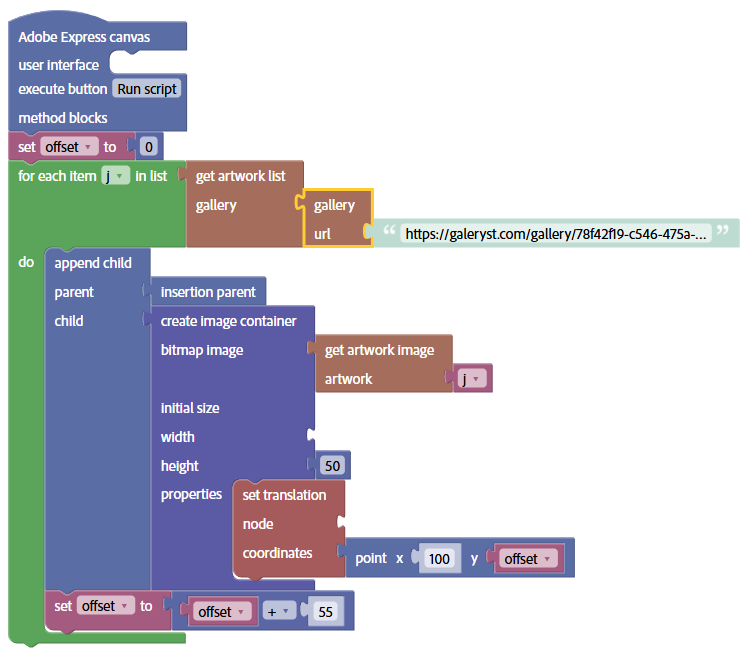
Here is a simple example of how you might start coding a page that lists all the artwork in your gallery:
Creative Coding Blocks
Though Creative Coding is meant for beginner programmers, it creates JavaScript code that could be used directly in building an Adobe Express add-on. With a guided learning plan (with a printable certificate created at completion) and lots of help content we wanted to make something that can be used in classroom, at home, or by anyone who wants to learn how to code with graphics. We released it for free to enable the next generation of creative technologists with the super-power of coding and hope you give it a try or share it with someone who might want to learn programming.
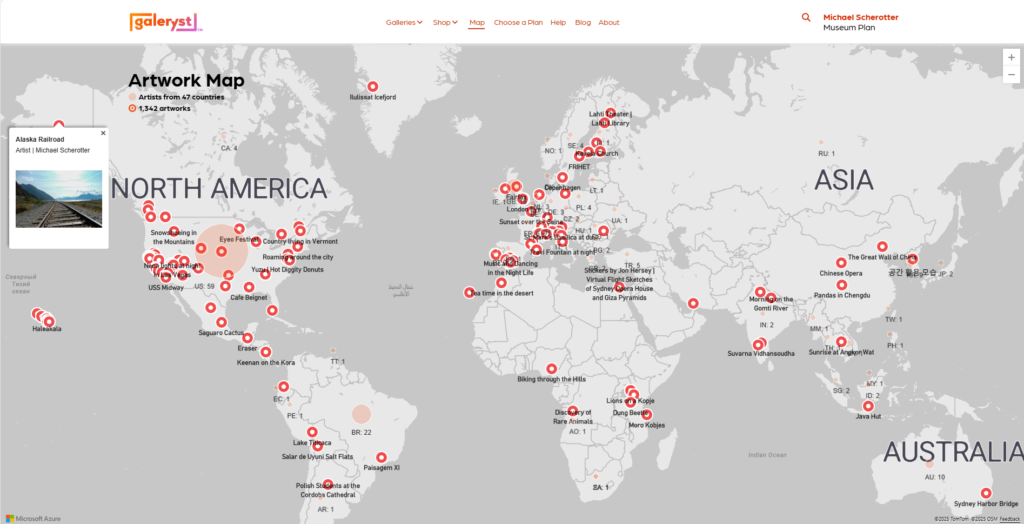
One option for artists who share their artwork on Galeryst is to have their artwork included on the Artwork Map page. I added this page to Galeryst because I have done most of my artwork en plein air in my journals when traveling and I thought that seeing it on a map would be interesting. Anyone can have their artwork shown in the Artwork map if they take the following steps:
Add location data to your artwork either with a location, city, state, and country or with latitude and longitude coordinates. Given a location, city, state, and country Galeryst uses Bing mapping services to look up location coordinates.
When you customize your gallery, check the Display map of artwork locations option on the Details tab and then click the Update gallery button.
The update to Galeryst is that we are changing the mapping service from Bing Maps to Azure Maps – as we got a notice that the Bing Maps service was being retired soon. Changing the service required some work and while doing that we improved the experience to load all the artwork locations much more efficiently.
galeryst artwork map
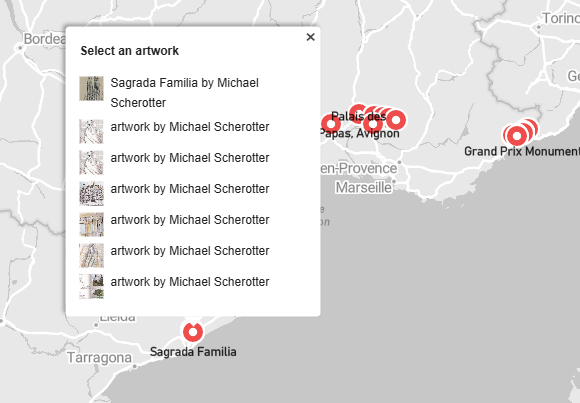
One of the improvements was to handle artwork that are in the same location as shown below, picking the pin at Barcelona shows a list of artwork that I created there – one of the most inspiring places in the world to create artwork. Selecting one of the artworks, opens a small card with an image of the artwork. Clicking on the artwork will then take the visitor to the gallery and artwork in it. It is a fun way to discover galleries. Give this new map a try and please share any feedback. We have tested it on computers, tablets, and phones!
Map artwork selector
We encourage you to add locations to you artwork and enable maps in Galeryst so people can find all the inspiring locations around the world to create artwork!